
2024 was a transformative year for the Wildlife Justice Commission (WJC), marked by remarkable progress in our mission to disrupt and dismantle the transnational criminal networks trafficking wildlife, timber, and fish. From landmark arrests and convictions to strengthened policy influence, we have taken significant steps toward our vision of a world free from wildlife crime.
This year, our work expanded into new regions, with successful operations leading to significant seizures and arrests across Africa and Asia. We dismantled 16 transnational criminal networks and disrupted the illegal wildlife trade on a global scale. Working closely with our law enforcement partners, we supported 84 arrests and facilitated major seizures in countries such as Nigeria, South Africa, Mozambique, Thailand, Malaysia, and Indonesia, as well as across South America and Southeast Asia.
Our highly successful partnership with the Nigeria Customs Service continued, with our intelligence-led investigations enabling record-setting seizures and arrests, including the historic seizure of over 7.2 metric tonnes of pangolin scales in Nigeria–one of the largest ever single seizure of its kind.
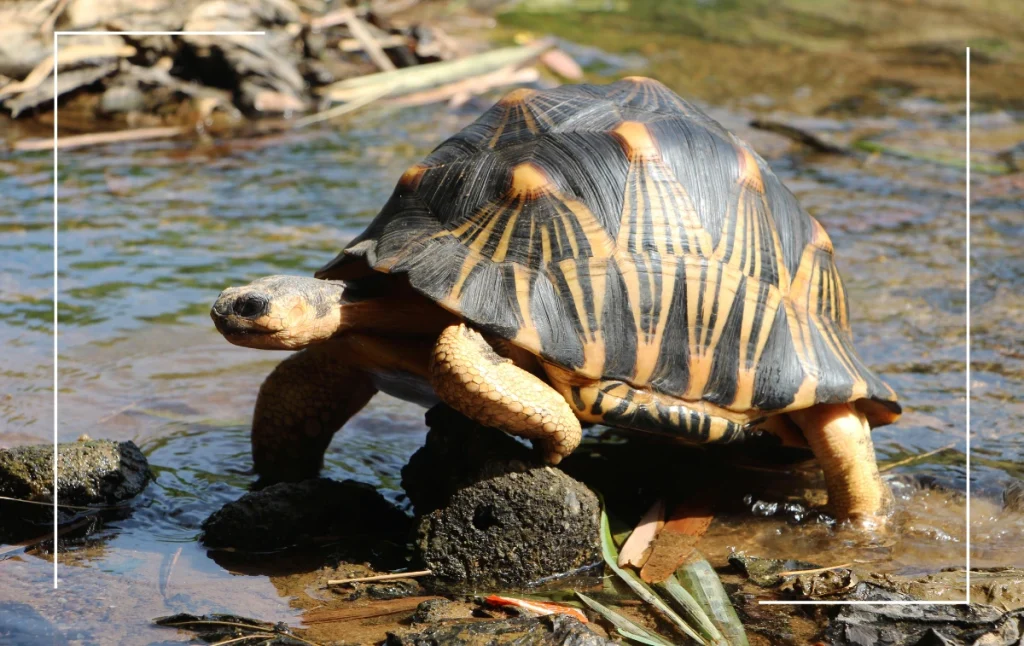
In Mozambique, our efforts played a key role in securing the convictions of Simon Valoi, aka “Navara,” and Paulo Zucula, notorious figures in the illegal rhino horn trade. Their arrests in 2022 by Mozambique’s National Criminal Investigation Service (SERNIC), with support from the WJC, and their subsequent conviction and sentencing to 27 and 24 years, respectively, marks a significant blow to wildlife trafficking networks across southern Africa. The high sentences for these key figures send a strong and clear message to those involved in the illegal rhino horn trade that their actions will be met with severe consequences. In Thailand, our intelligence led to the interception of a wildlife trafficking convoy in May, uncovering hundreds of radiated tortoises, lemurs, and other endangered species valued at over USD 2 million. The operation rescued 1,234 tortoises, 48 lemurs, and other species and resulted in the historic repatriation of critically endangered Malagasy wildlife to Madagascar in November 2024.
Beyond operations, the WJC made significant strides in raising awareness and influencing policy. By raising awareness at high-level fora and providing recommendations to key policymakers, we advocated and contributed to effective strategy development to combat wildlife trafficking. We contributed to strengthening wildlife protection provisions in the draft Council of Europe Convention on the protection of the environment through criminal law, set to open for signature in 2025, and contributed to five key international policies. At global fora, such as the 21st International Anti-Corruption Conference and the UN Ocean Decade Conference, we highlighted the intersection of wildlife crime (including marine species trafficking), corruption, and other serious crimes, and advocated for enhanced measures to combat these issues. Our efforts to build political will to effectively tackle wildlife trafficking extended to the 12th Conference of the Parties to the UN Convention on Transnational Organized Crime and the 33rd session of the UN Commission on Crime Prevention and Criminal Justice, where we called for binding international commitments to prioritise the fight against wildlife crime.
Equally vital to our mission is empowering local law enforcement. This year, we conducted training programmes across Mozambique, Botswana, Philippines, and Thailand, equipping authorities with advanced investigative skills and fostering cross-border collaboration. In Mozambique, we developed a groundbreaking empowerment project with the Supreme Court and other key institutions to enhance the capability of state institutions to combat wildlife crime effectively. In Southeast Asia, we concluded Project Galvanise, delivering over 40 intelligence reports and launching the Online Resource Center for Analysis to promote best practices among 16 countries. These efforts uncovered key links in wildlife trafficking supply chains and identified a major criminal kingpin.
Our short documentary Seizure, part of Project Galvanise, premiered as a finalist at the Kuala Lumpur Eco Film Festival in Malaysia and has since earned multiple awards. The film captures a team of WJC investigators and analysts as they follow criminal networks across borders to combat the trafficking of the world’s most endangered species.
None of this would be possible without the generous support of our donors, partners, and supporters. Every operation, training, and policy win is a testament to the collective dedication of our supporters. Together, we’re proving that it takes a network to defeat a network.
Wildlife trafficking remains one of the most urgent threats to biodiversity today. Across regions, species, and ecosystems, it continues to drive extinction, degrade governance, foster corruption, and fuel transnational criminal networks that often traffic not just wildlife, but also drugs, arms, and people. In the face of this growing threat, the global conservation community is working to expand and evolve its strategies. And while investment in approaches such as demand reduction, community engagement, and behaviour change is crucial, proactive and targeted enforcement–especially when it focuses on dismantling criminal networks, following illicit financial flows, preventing and combating corruption, and empowering local law enforcement–remains a vital part of the overall response and continues to show meaningful impact.
It’s a long road, but with every year and every hard-won result, we are making real progress in the fight to protect wildlife