
The Wildlife Justice Commission brought real-world evidence and insights from its investigations directly to governments and decision-makers recently at the 20th Conference of the Parties (CoP20) to the Convention on International Trade in Endangered Species of Wild Fauna and Flora (CITES) in Samarkand, Uzbekistan. Wildlife Justice presented on its successful model and track record at a meeting of more than 3,400 government officials and policymakers gathered to shape the future of wildlife protection.
This global meeting sets the course for international action to prevent illegal and unsustainable trade and ensure that international commerce does not drive endangered animals and plants to extinction.
Throughout the negotiations, Wildlife Justice and partners pushed to increase protections for endangered species and called for stronger action against wildlife trafficking networks, helping ensure CITES protections are not only adopted, but enforced.


A historic meeting for species at risk
CoP20 delivered historic outcomes, particularly for marine wildlife. Seventy-five new fauna and flora species – including 50 marine species – were added to the CITES Appendices, bringing them under international trade controls.
More than 70 shark and ray species received stronger protection, including several species that were already listed but were upgraded to higher protection levels. Both oceanic whitetip sharks and whale sharks were uplisted to Appendix I – the first time any shark species received CITES’ highest level of protection, banning all international commercial trade.
New protections were also agreed for species heavily affected by the illegal pet trade, including primates, reptiles, and songbirds, as well as for many timber species. Proposals to reopen international trade in elephant ivory and rhino horn were firmly rejected.
However, not all proposals succeeded. Only the Golden Sandfish sea cucumber was given Appendix II protection, while other sea cucumber species were not added. A proposal to list all freshwater eel species also failed, leaving only the European eel currently protected under CITES.
Stronger enforcement to protect wildlife from organised crime
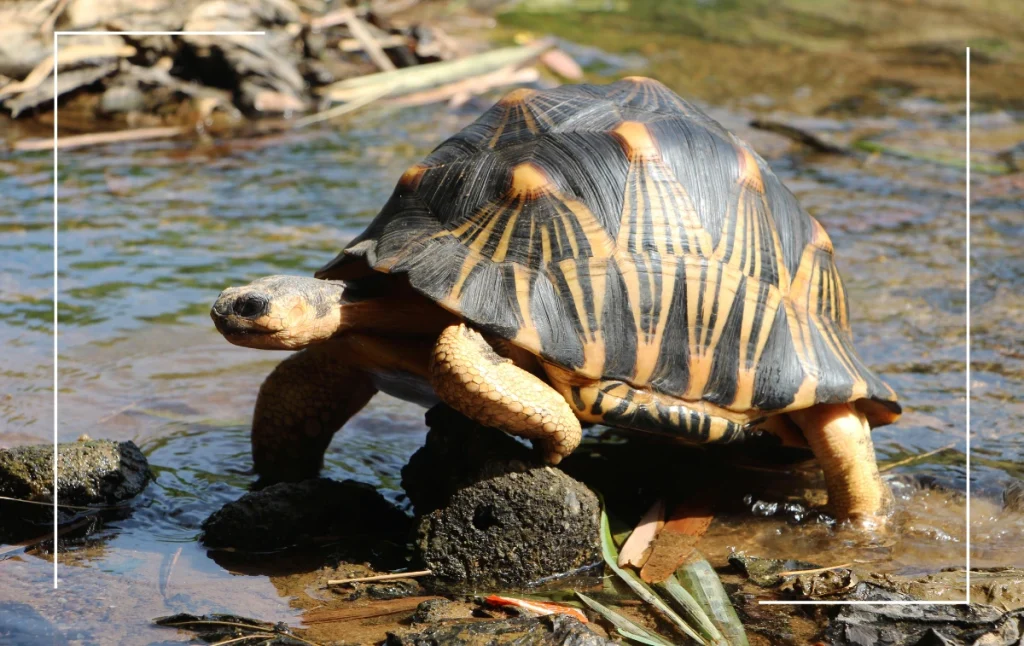
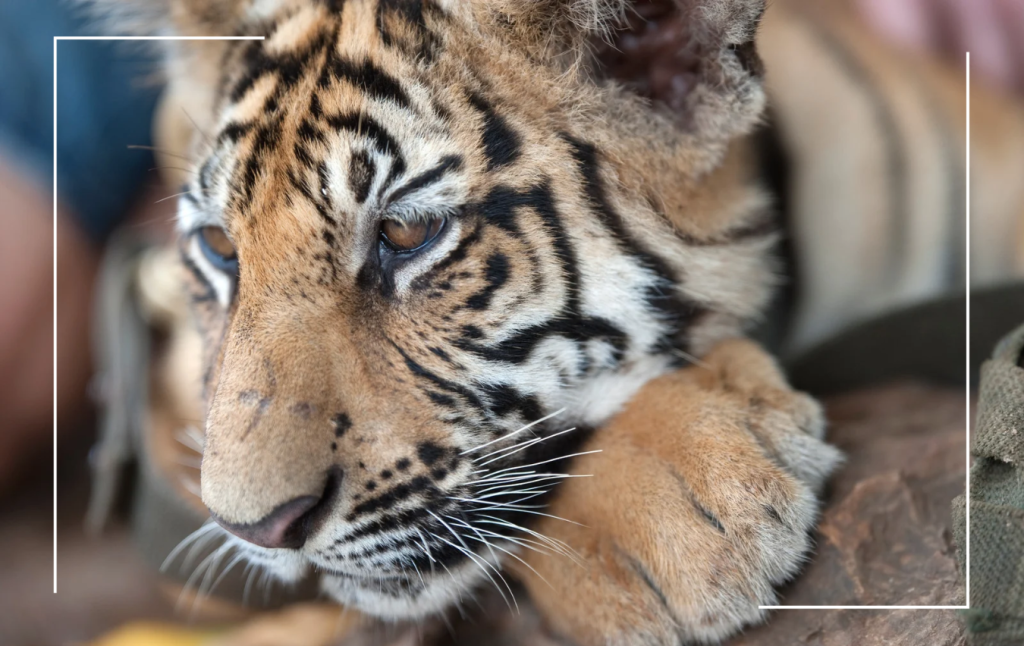
In addition to species-specific safeguards, countries adopted new measures to protect the animals most heavily affected by poaching and trafficking, including pangolins, great apes, Asian big cats, tortoises, and freshwater turtles.
These measures focus on improved monitoring, better cooperation between agencies, and stronger enforcement. Together, they provide a practical roadmap to help countries enforce CITES, including disrupting and dismantling the criminal networks that drive wildlife trafficking.
Although the eel listing did not pass, countries adopted a new resolution calling for stronger laws, better enforcement, and improved international cooperation to tackle illegal trade in all eel species – including those not currently listed under CITES.
Wildlife Justice welcomed these decisions, including strong commitments to address corruption risks and illicit financial flows linked to wildlife crime, tighter checks on permits for great apes, and agreement for the CITES Secretariat to develop measurable, time-bound recommendations to address pangolin trafficking risks.
Wildlife Justice and Nigeria spotlight enforcement results
Wildlife Justice co-hosted a high-level side event with the Government of Nigeria, “Enforcement in Action,” based on the CITES Information Document, Analysis of Pangolin Scale and Elephant Ivory Trafficking, 2015–2024, submitted by Nigeria, which includes Wildlife Justice’s assessment of global pangolin scale and elephant ivory trafficking between 2015 and 2024.
Senior officials and experts from Nigeria’s Federal Ministry of Environment, National Environmental Standards and Regulations Enforcement Agency (NESREA), the Nigeria Customs Service, UNODC, and Wildlife Justice highlighted how intelligence-led investigations, strong partnerships, and coordinated enforcement are delivering real, measurable reductions in wildlife trafficking of species protected under CITES, especially pangolins and elephants, using Nigeria as a case study.
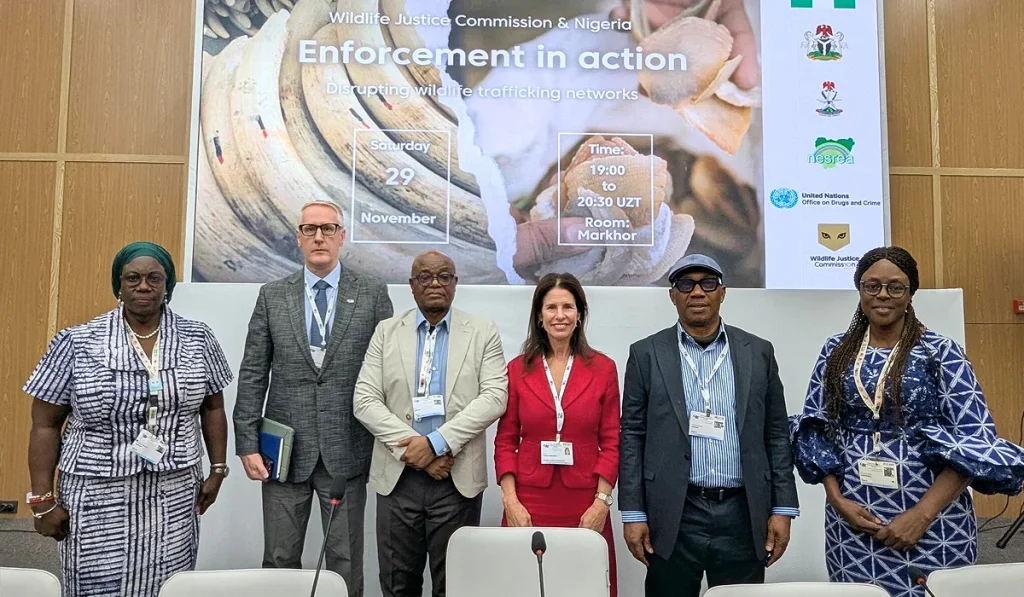
Nigeria’s Minister of Environment, Hon. Malam Balarabe Abbas Lawal, said: “I commend the Wildlife Justice Commission for a steadfast partnership which has significantly strengthened the enforcement of wildlife laws and cross-border cooperation. […] With the support of the WJC, Nigeria has advanced financial investigations, enhanced analytical capacity, and dismantled transnational wildlife trafficking networks.”
Since July 2021, the partnership between the Wildlife Justice Commission and the Nigeria Customs Service has delivered major results, including seizures of over 25 tonnes of pangolin scales and 1.065 tonnes of elephant ivory. These operations have significantly disrupted organised crime networks, with wildlife trafficking now viewed by traffickers as a high-risk criminal activity, akin to drug trafficking. Notably, no major pangolin scale seizures have been reported at any airport globally for six years.
The event highlighted a clear set of priorities to convert CITES commitments into real-world results: targeting high-level criminal networks, using long-term intelligence-led investigations, targeting the profits of crime, and strengthening multi-stakeholder and international cooperation.
If you missed the event, watch it here:
Looking ahead: Turning global decisions into real protection for wildlife
As the conference concludes, Wildlife Justice emphasises that global commitments must now translate into real-world enforcement. The outcomes of CoP20 provide a strong foundation to improve the global response to wildlife trafficking and disrupt criminal networks that continue to exploit endangered species at industrial scale.
The new protections established at CoP20, including historic shark uplistings, will only succeed if they are matched by effective national implementation, robust enforcement, and sustained international cooperation.
Wildlife Justice remains committed to supporting governments to ensure CITES decisions translate into real protection for the world’s most vulnerable species.
After 50 years of CITES, and as organised crime continues to push endangered species toward extinction, this mission is more urgent than ever.