
Engaging governments with diplomacy to take action
Building on our on-the-ground efforts, we share our expertise and recommendations to influence policy at a global and multilateral level, and to build political will to elevate the importance given to wildlife crime, including in the broader context of environmental crime, and increase the effectiveness of government responses.
Our policy priorities focus on cross-cutting issues that fuel wildlife crime, requiring international attention and intervention by governments:
01. The underutilisation of special investigative techniques by law enforcement agencies in wildlife crime cases. These include the use of undercover operations, controlled deliveries and covert surveillance. Increasing the effective and more widespread application of these techniques is crucial to disrupt and dismantle the criminal networks driving the illegal wildlife trade.
02. The corruption that facilitates such crimes across global supply chains. Corruption is the principal enabler of wildlife crime, and is one of the biggest obstacles to effective law enforcement.
03. The pervasive issues of money laundering and illicit financial flows. Financial investigations need to be conducted in parallel to wildlife crime investigations, so that assets derived from these crimes can be seized and confiscated.
04. The frequent convergence of wildlife crime with other types of serious crime, which highlights that wildlife crime is a cross-cutting issue that cannot be tackled in isolation.
To achieve these goals, the Wildlife Justice Commission does not work alone. Addressing the global issue of wildlife crime is most effectively achieved through cooperative efforts with like-minded allies. We partner with those who share our goal to put an end to wildlife trafficking, and environmental crime more broadly, and the criminal networks that perpetuate it. These partners include governments, inter-governmental organisations, civil society organisations, and the private sector, as cooperation across all sectors is essential to effectively fight against the illegal wildlife trade.
Engaging in multilateral processes
We work with policymakers to bring forth evidence-based recommendations that enable and compel them to take action to stop wildlife crime in their countries and across their borders. We do this by, among others, inputting into policy documents, hosting and appearing at public events in fora where decision makers are present, and contributing into policy developments. To this effect, we are actively present at international fora and conferences, such as the United Nations Commission on Crime Prevention and Criminal Justice (CCPCJ), the Conference of the State Parties to the United Nations Convention against Corruption (UNCAC), the Conference of the Parties to the United Nations Convention against Transnational Organized Crime (UNTOC), the United Nations Ocean Decade Conference, and the International Anti-Corruption Conference (IACC), as well as international organisations such as the Council of Europe. We also increasingly engage at conservation fora, such as the Convention on International Trade in Endangered Species of Wild Fauna and Flora (CITES) and the Convention on Biological Diversity (CBD), to emphasise the importance of addressing the crime aspect to succeed in conservation efforts. In addition to our efforts at the multilateral level, we also share our expertise and recommendations with policy makers at the national level.
Partnerships
We work with policy institutes such as the Royal United Services Institute (RUSI), international organisations, such as the United Nations Office on Drugs and Crime (UNODC), INTERPOL, Europol, associations such as the International Association of Prosecutors (IAP), non-for-profit entities, such as the Global Initiative Against Transnational Organized Crime (GI-TOC), the National Whistleblower Center (NWC), and the World Wildlife Fund (WWF), amongst others.
We are proud of our partnerships with the Association of Certified Anti-Money Laundering Specialists (ACAMS) and Transparency International with whom we join forces against anti-money laundering and corruption.
We partnered with a number of NGOs on a joint Roadmap to Closing Captive Tiger Facilities of Concern, which lays out a path for phasing out captive tiger facilities of concern by outlining immediate control and management mechanisms; planning for phase out; and solutions for confiscated and transferred tigers.
The Wildlife Justice Commission is a member of Project Anton, a public-private partnership launched to tackle the illegal wildlife trade, led by Canada’s Scotiabank and supported by United for Wildlife. Other partners include the Canadian financial intelligence unit (FINTRAC), federal governments around the world, banks and civil society.
Alliances
We play an active role in various alliances to facilitate strategic coordination among governments, civil society organisations, and the private sector in targeting key stakeholders to influence policy and build political will. We are founding members of the Nature Crime Alliance, and our Executive Director Olivia Swaak-Goldman serves as its Advisor. We are also part of other alliances such as United for Wildlife, the FACT Coalition, the Alliance of NGOs on Crime Prevention and Criminal Justice, Wildlife Trafficking Alliance (WTA), and the International Union for Conservation of Nature (IUCN).
Is wildlife trafficking
being treated as serious crime?
‘End Wildlife Crime’ initiative
We are proud to be a Founding Champion of the End Wildlife Crime Initiative, chaired by John E. Scanlon AO, former Secretary General of CITES. The Global Initiative to ‘End Wildlife Crime’ aims to encourage States to fill serious gaps in international law by advocating for and offering technical support to create a new global agreement on wildlife crime.

UNCAC Coalition Working Group on Environmental Crime and Corruption
The Wildlife Justice Commission is dedicated to advocating for solutions to address corruption. In pursuit of this objective, we have co-founded and are Chair of the UNCAC Coalition’ Working Group on Environmental Crime and Corruption since its creation in 2019. The working group, comprised of over 230 civil society organisations from across the globe, seeks to facilitate discussions, the exchange of information and joint advocacy among civil society experts working on these issues. In particular, the working group advocates for States Parties to adopt a robust resolution for effective UNCAC implementation against environmental crime. For example, the working group initiated an open letter to UNCAC State Parties calling for strong policy action at the 10th UNCAC Conference of State Parties to tackle environmental crime and corruption. The letter was signed by over 300 civil society organisations and experts from 99 countries.
In addition, the working group published a discussion paper during the Climate COP 2024 on combatting corruption and environmental crime to advance climate protection goals, with the aim to facilitate discussions on the interlinkages between corruption, environmental crime, and climate degradation to inform actions in various multilateral fora.
Latest News
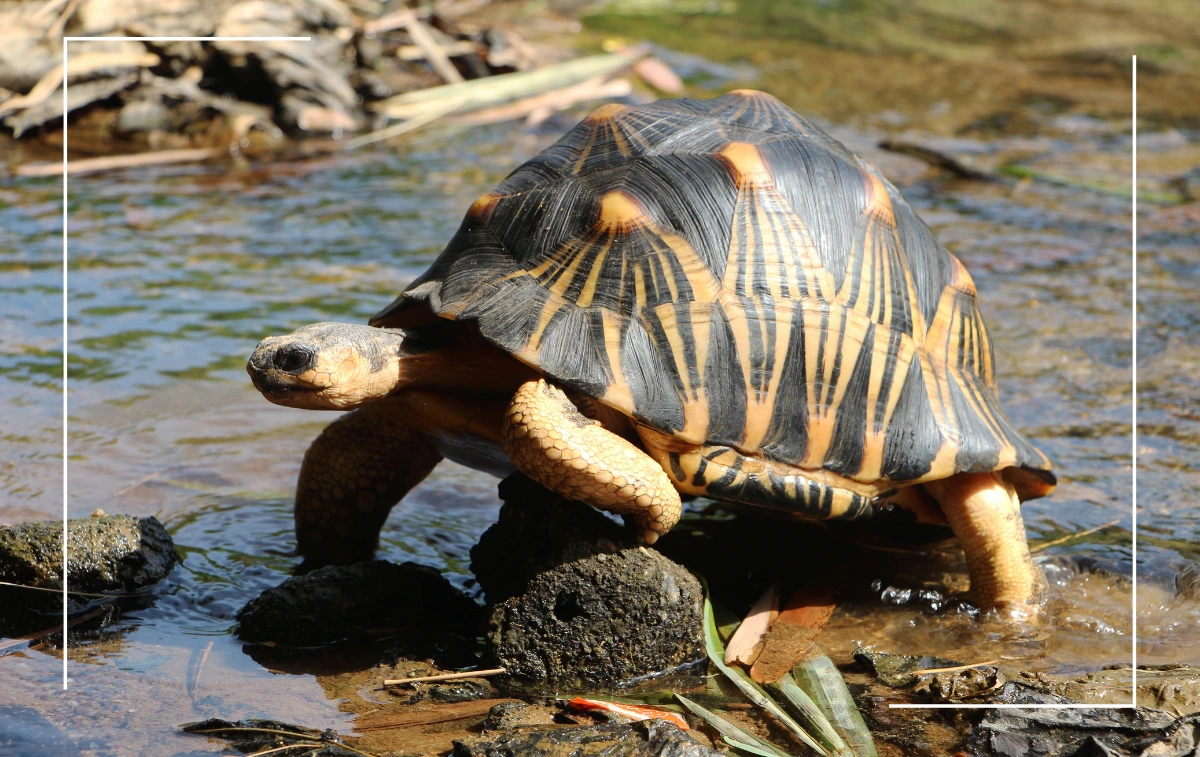
Tortoise traffickers sentenced in Madagascar following Wildlife Justice-supported operation
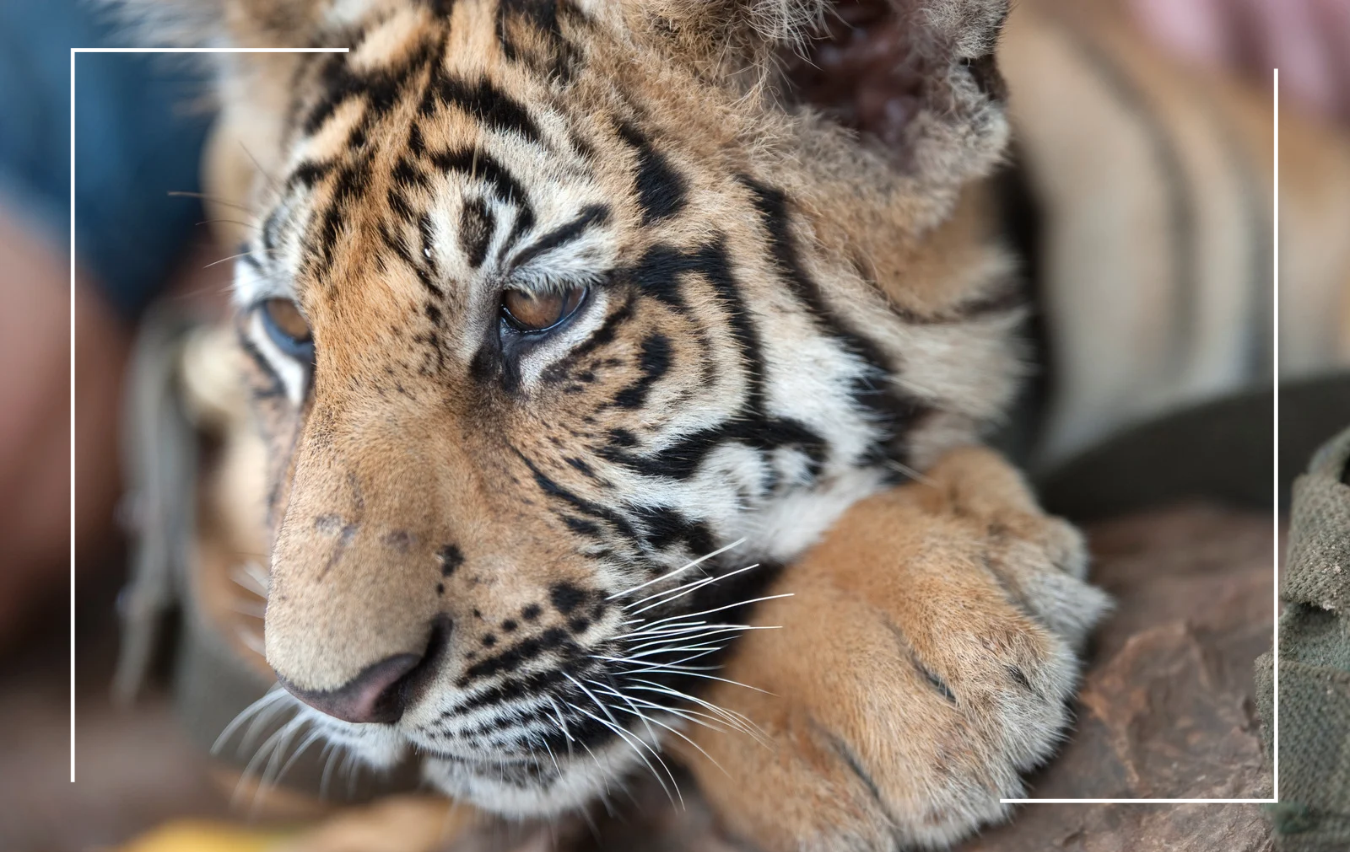
The Cost of Cute: What lies behind the illegal pet trade.
The cost of cute: Wildlife Justice launches new guide to fight the illegal pet trade
Latest policy events
From commitments to action: Implementing UNCAC Resolution 11/9
1 September 2026
This event, organised by the Global Civil Society Coalition for the UNCAC’s Working Group on Environmental Crime and Corruption, chaired by the Wildlife Justice Commission, explored how Resolution 11/9 can be translated into meaningful action.
Adopted by consensus at the 2025 UN Convention Against Corruption Conference of the States Parties (UNCAC CoSP11), Resolution 11/9 sets out the most comprehensive anti-corruption commitments to date addressing crimes that affect the environment. It covers prevention and integrity, enforcement and accountability, financial transparency, safe reporting, and civil society protection.
The discussion brought together government representatives, UNODC and civil society to explore:
• What Resolution 11/9 means in practice
• Early implementation experiences and challenges
• How civil society, technical assistance providers, and other non-state actors can support implementation
• How to prepare for the 2027 UNCAC discussions, including the Working Group on the Prevention of Corruption and CoSP12
The event took place on 1 September 2026 on the sidelines of the UNCAC Implementation Review Group session.