
Dear friends and supporters,
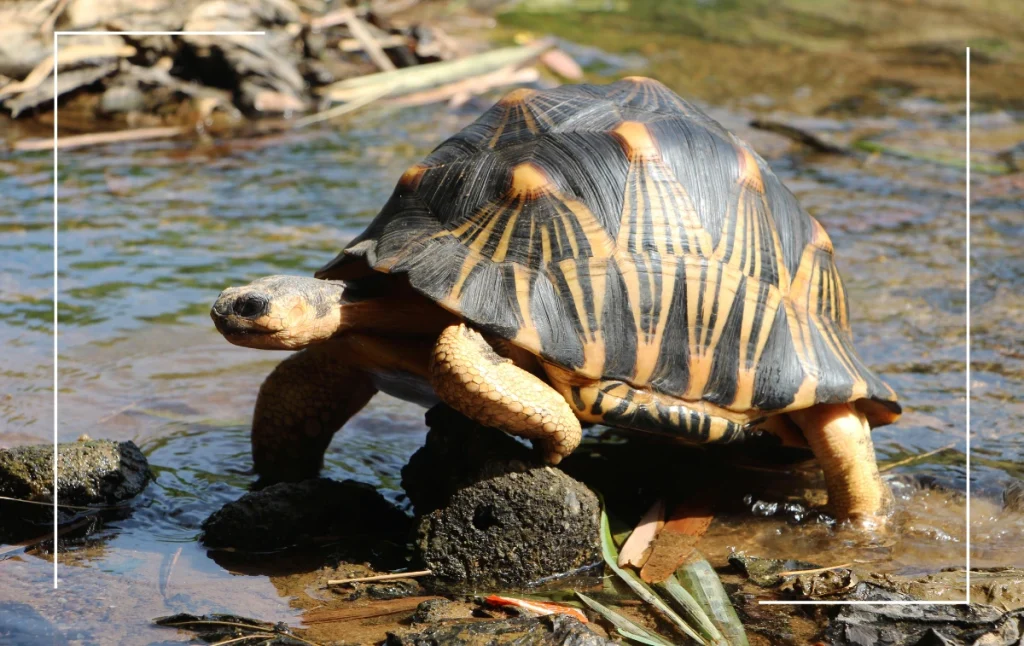
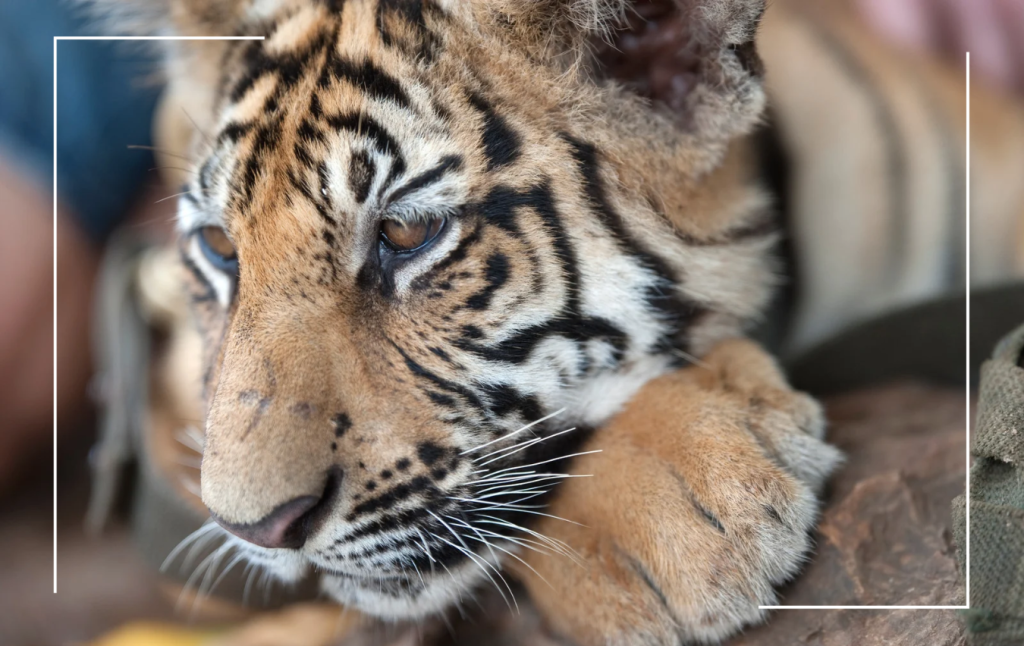
Wildlife trafficking remains one of the most pervasive drivers of biodiversity loss, pushing endangered species closer to extinction while undermining ecosystems, communities, and economies. Endangered Species Day serves as an important reminder that protecting vulnerable species requires coordinated action against the organised criminal networks driving their exploitation.
These crimes are not isolated incidents; they are executed by sophisticated transnational networks operating across borders and complex supply chains. Together with our partners, the Wildlife Justice Commission continues to combat wildlife trafficking as a serious form of transnational organised crime. Since our founding in 2015, we have disrupted 117 wildlife trafficking networks.
None of this progress would be possible without the continued support of our partners around the world.
Below are some of the latest developments from our work and those of our partners.
Warm regards,
Olivia Swaak-Goldman
High-level trafficker arrested after five years on the run
Shamsideen Abubakar, a suspected high-level pangolin-scale trafficker, was arrested in Nigeria after five years on the run. Abubakar was caught in a joint operation involving Wildlife Justice, the National Environmental Standards and Regulations Enforcement Agency (NESREA), and Nigeria Customs Service (NCS).
Abubakar had evaded capture for five years after being declared wanted by the Federal High Court in Lagos for his alleged role in large-scale wildlife trafficking. His arrest is a testimony to the coordination and persistence – of Wildlife Justice’s investigators and our Nigerian partners.
He evaded capture since September 2021, when a coordinated operation by NCS and Wildlife Justice led to the arrest of his associates and the seizure of over one tonne of pangolin scales – representing up to 5,451 pangolins – in Ikeja, Lagos.
“The suspect thought he could evade justice, but our investigators never give up.” said Olivia Swaak-Goldman, Executive Director of Wildlife Justice.
Read more here.
Convictions in major pangolin scale trafficking case in Vietnam
Wildlife Justice welcomes the convictions in Vietnam of two wildlife traffickers caught in possession of nearly one tonne of African pangolin scales. The case represents another significant disruption to major trafficking networks operating across continents.
Nguyen The Du and Nguyen Anh Ngoc were sentenced to eight years in prison each, along with substantial fines, following their conviction in April by the People’s Court of Bac Ninh.
The pair were arrested on 11 June 2025 in possession of 900kg of African pangolin scales—the largest seizure of African pangolin scales reported in Asia in 2025.
The case highlights the importance of sustained investigations and strong judicial responses in disrupting the networks driving wildlife crime.
“By targeting those who coordinate and profit most from these operations, rather than just intercepting shipments, authorities can disrupt the networks driving the trade. The strong sentences handed down by the court send a powerful message that wildlife trafficking is a serious crime that will be met with serious consequences,” said Swaak-Goldman.
Read more here.

From commitment to action: Following the money to address crimes that affect the environment
Long-term disruption of criminal networks requires more than seizures and arrests. It also requires addressing the financial systems that enable wildlife criminals to operate and profit.
As governments, policymakers, law enforcement agencies, and civil society organisations prepare to meet for the Thirty-Fifth Session of the Commission on Crime Prevention and Criminal Justice (CCPCJ) in Vienna early June, Wildlife Justice is calling for greater use of one of the most underutilised tools in tackling environmental crime: financial investigations.
Wildlife Justice submitted a formal written statement to inform the CCPCJ discussions in relation to crimes that affect the environment (CAE), highlighting a key message: to effectively disrupt CAE, including wildlife trafficking, enforcement must follow the money.
In Vienna, Wildlife Justice is urging States to move from commitment to action by strengthening international cooperation, systematically mobilising parallel financial investigations, anti-money laundering frameworks and asset recovery tools in CAE cases, and ensuring environmental crime is treated as the serious organised crime that it is. Specifically, Wildlife Justice will call for stronger implementation of existing international commitments, including those under the UN Convention Against Corruption, while also highlighting opportunities to develop a potential dedicated Protocol under the UN Convention Against Transnational Organized Crime to prevent and combat CAE, including related money laundering.
Wildlife Justice will host the side event From Commitment to Action: Following the Money to Address Crimes that Affect the Environment
- Wednesday, 3 June 2026, 13:00-14:00 CET
- Location: Room M7 / Hybrid
- Register here to attend online

To further advance these discussions, Wildlife Justice will also co-host and participate in two other side events:
- Civil Society Priorities for the CCPCJ, Crime Congress, UNTOC COP and Beyond, on Monday, 1 June, 15:00-16:00 CET (Room M2 / Hybrid). For online participation, please join here.
- Multistakeholder Priorities for a Potential Protocol Under UNTOC on Crimes That Affect the Environment, on Monday, 1 June, 16:30-17:30 CET (Room M7 / Hybrid). For online participation, please register here.
- We are pleased that Kimberly Prost, Member of WJC’s Independent Review Panel, will join this event to speak on behalf of WJC. Drawing on her experience and expertise as a former negotiator of UNTOC with the Canadian delegation, she will highlight the timely importance of negotiating and adopting an additional UNTOC Protocol on Crimes that Affect the Environment.
How sharks became the money spinners of the sea
Wildlife crime extends beyond terrestrial species, with marine species trafficking constituting a major transnational threat. Understanding these evolving criminal markets is essential to strengthening responses and disrupting the networks behind them.
Olivia joined the Big BOAT interview by Boat International to discuss how marine species trafficking has evolved into a major transnational criminal threat.
The conversation explores how criminal networks exploit marine species and how targeted investigations can disrupt the kingpins driving this trade.
It also sets the stage for Ocean Talks in June, where Olivia will deliver the keynote address on the growing threats facing ocean ecosystems.
If you are in London on 11 June and interested in marine conservation or the boating sector, this event offers an opportunity to engage with key issues and solutions.
Support our work
Wildlife trafficking continues to threaten biodiversity, undermine the rule of law, and fuel transnational organised crime.
With your support, we can continue to identify, target, and disrupt the criminal networks behind these activities, protecting species and strengthening global enforcement responses.
Support our work—together, we can disrupt criminal networks and save species from extinction.