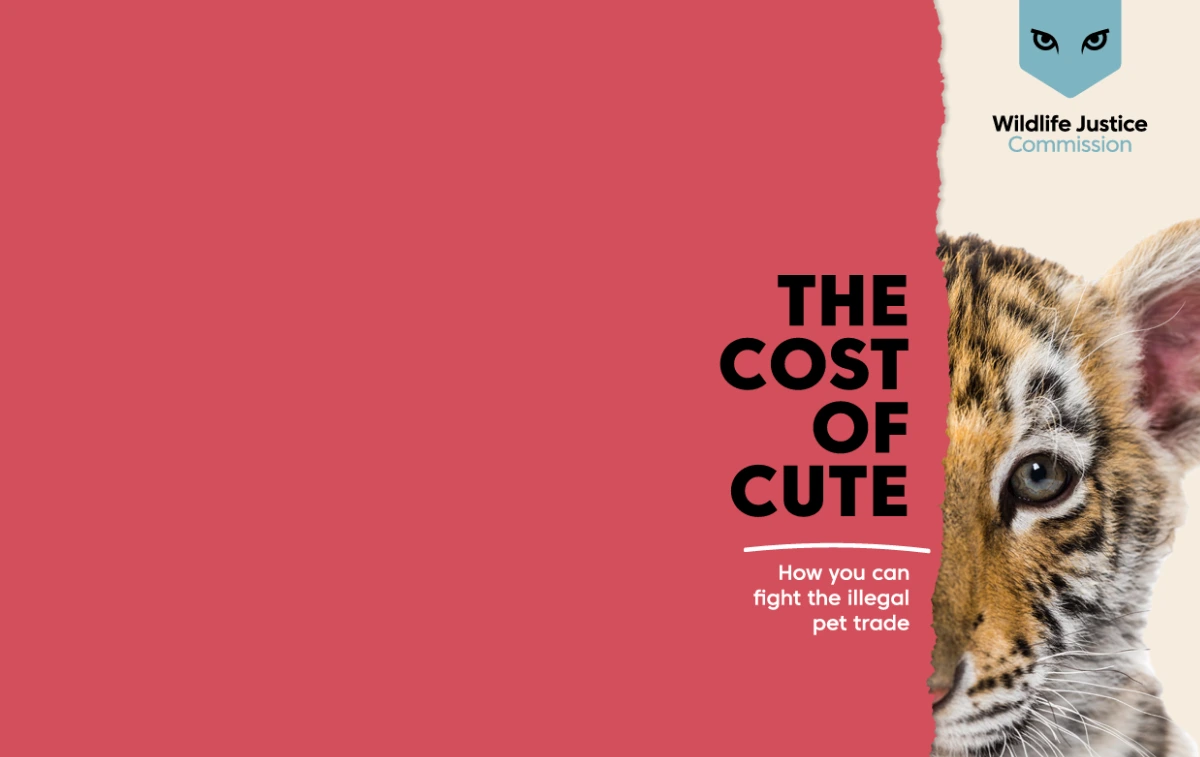
The Wildlife Justice Commission today launches The cost of cute: How you can fight the illegal pet trade, a practical guide to help people understand the illegal pet trade, spot animals being trafficked, and report this widespread and lesser-known form of crime.
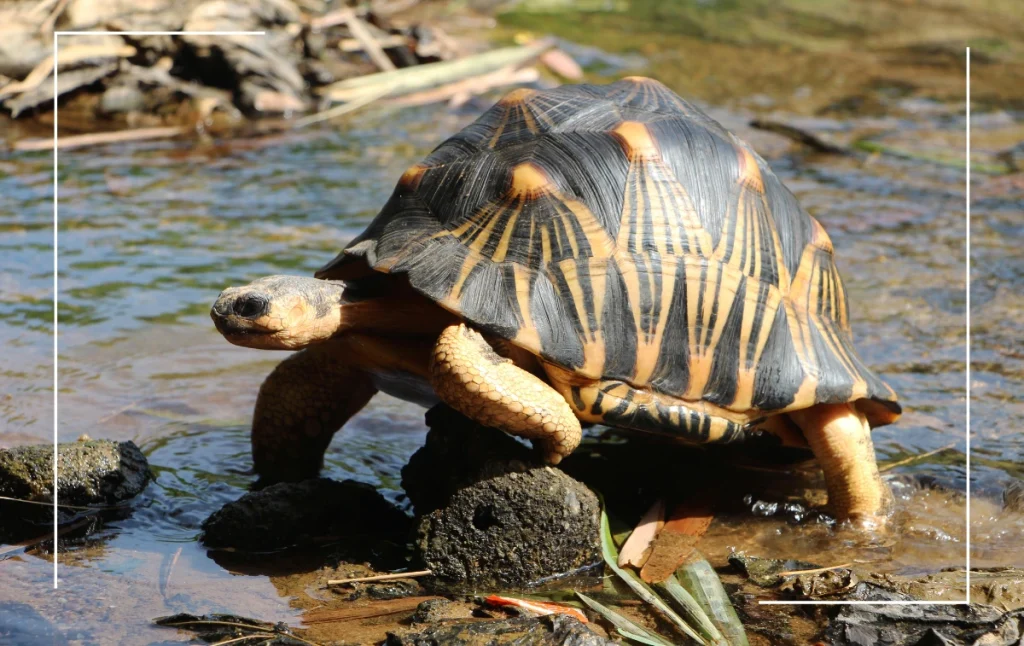
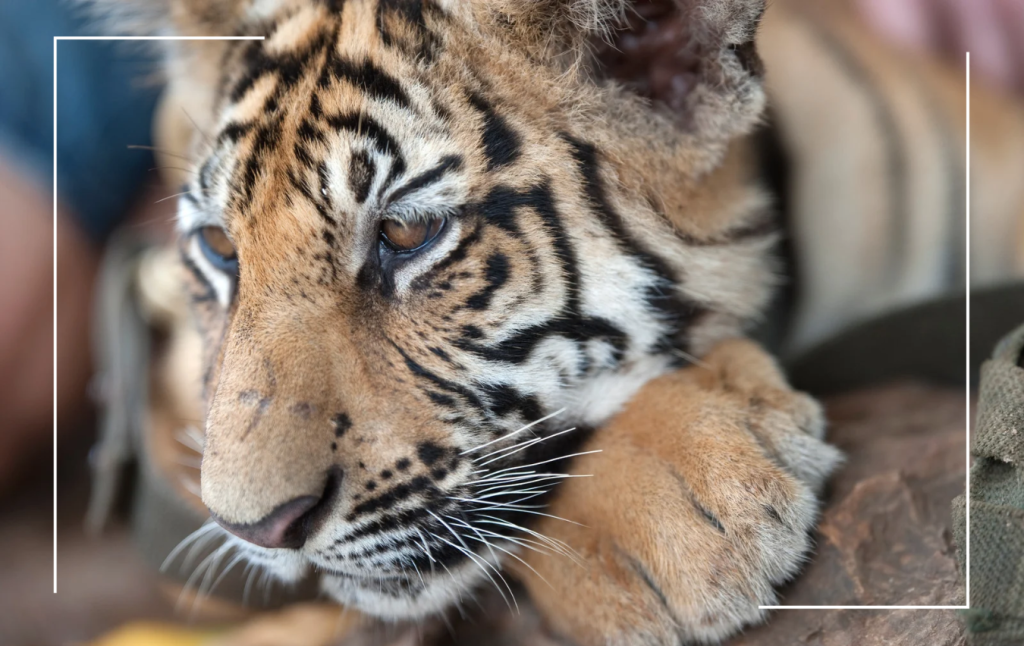
The illegal pet trade is one of the fastest-growing forms of wildlife crime. Behind the “exotic” animals offered for sale are criminal networks that capture, transport, and sell wildlife, causing immense suffering and putting already vulnerable species at risk.
Demand is driven by the desire to own these animals, misconceptions about keeping them as pets, and the growing ease of connecting buyers and sellers online. Social media and online marketplaces have made it easier for traffickers to advertise wildlife and reach potential buyers.
“The appeal of a rare or exotic animal can make it easy to overlook what lies behind the sale. But every animal in the illegal pet trade can be part of a much larger criminal supply chain,” said Olivia Swaak-Goldman, Executive Director of the Wildlife Justice Commission. “The cost of cute guide is about turning that awareness into action, helping people understand the consequences of their choices and what they can do to reduce demand.”
The brief guide explores how the illegal pet trade works, what drives demand, how traffickers use online platforms to reach buyers, and practical steps individuals can take to avoid supporting the illegal trade and report suspected trafficking.
The guide is part of a larger Wildlife Justice campaign to raise awareness of the illegal pet trade and wildlife trafficking in general. In its ten-year history, Wildlife Justice has rescued over 13,000 live animals from the illegal pet trade.
“Wild animals belong in the wild, not in our homes, collections, or private facilities. Understanding the cost behind the ‘cute’ is an important first step towards making better choices for wildlife,” added Swaak-Goldman.
The guide complements the Wildlife Justice Commission’s work to disrupt and dismantle the organised criminal networks behind wildlife trafficking through intelligence-led investigations and support to law enforcement.