
Mozambique plays a pivotal role as a key transit point for ivory and rhino horn destined for Asia, making it a hotspot for transnational wildlife crime. Criminal networks operating within the country significantly contribute to poaching and trafficking activities in the Great Limpopo Transfrontier Conservation Area (GLTFCA), which spans Mozambique, South Africa, and Zimbabwe. The Wildlife Justice Commission, in partnership with Mozambique’s Serviço Nacional de Investigação Criminal (SERNIC), the mandated law enforcement agency in Mozambique to tackle serious organised crimes, is committed to dismantling these transnational criminal syndicates through intelligence-led investigations, policy advocacy, joint operations, and critically training and mentoring law enforcement personnel.
In early 2024, the Wildlife Justice Commission launched a series of training and mentoring programs. These initiatives were designed to empower Mozambican law enforcement agencies, particularly SERNIC, in their efforts to disrupt organised wildlife trafficking networks.

Empowering SERNIC through training and mentoring with the support of two generous donors
With support from the Svenska PostkodLotteriet Stiftelse (Swedish Postcode Lottery Foundation), the Wildlife Justice Commission conducted training programs designed to optimise the use of SERNIC’s Control Center, a dedicated, secure and well-equipped space for intelligence analysts, which the Wildlife Justice Commission helped establish, to gather, analyse, and store intelligence. The training and mentoring programs focused on intelligence collection, analysis, investigative techniques, and advanced intelligence work.
Complimentary to this, the United Kingdom Government’s Illegal Wildlife Trade Challenge Fund supported the Wildlife Justice Commission in conducting a “Train the Trainer” course for participants from Maputo, Sofala, and Nampula provinces. This training provided SERNIC trainers with practical skills in intelligence analysis and proactive investigations, enabling them to train other SERNIC officers effectively. Following this course, SERNIC trainers conducted additional sessions in their respective provinces, focusing on practical skills, techniques and procedures to effectively conduct intelligence-driven proactive investigations and operations compatible with Mozambique legislation and fundamental human rights principles. These courses also served to build the confidence of the newly trained trainers and provided them with the knowledge and skills to continue in their important role of training other officers.
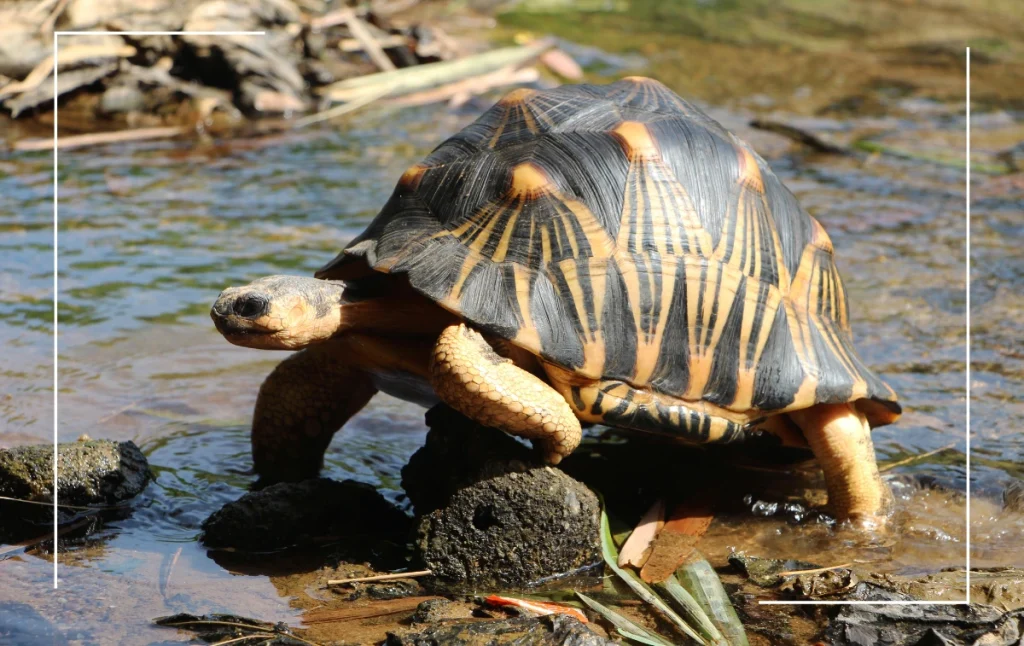
Mentoring of SERNIC officers included a combination of practical exercises carried out at key locations, including ports and national parks. For example, informative sessions at Gorongosa National Park included presentations on wildlife trafficking and hands-on experiences with rescued wildlife. Wildlife Justice Commission mentors, accompanied by SERNIC trainers, facilitated these visits with the National Administration of Conservation Areas (ANAC). In total, 120 SERNIC officers were trained and mentored.

Notable successes and the path forward
Over the past five years, the Wildlife Justice Commission has cultivated a strong partnership with SERNIC. Together, they play a pivotal role in disrupting transnational organised wildlife crime, demonstrating a steadfast commitment to protecting endangered species and preserving biodiversity in the region.
A significant victory in the fight against wildlife crime in Mozambique came with the conviction of notorious poacher Simon Valoi, also known as “Navara” and Paulo Zucula, both arrested in July 2022 by SERNIC, with support from the Wildlife Justice Commission. This success showcases the importance of collaboration, capacity building, and a shared commitment to ending wildlife crime in Mozambique and beyond.
By continuing to train and mentor law enforcement agencies such as SERNIC, building their investigative capacity, and fostering local leadership in wildlife protection, the Wildlife Justice Commission is helping lay the groundwork for long-term, sustainable solutions. Together, we are creating a future where Mozambique’s wildlife can thrive, and those who threaten it are held accountable.