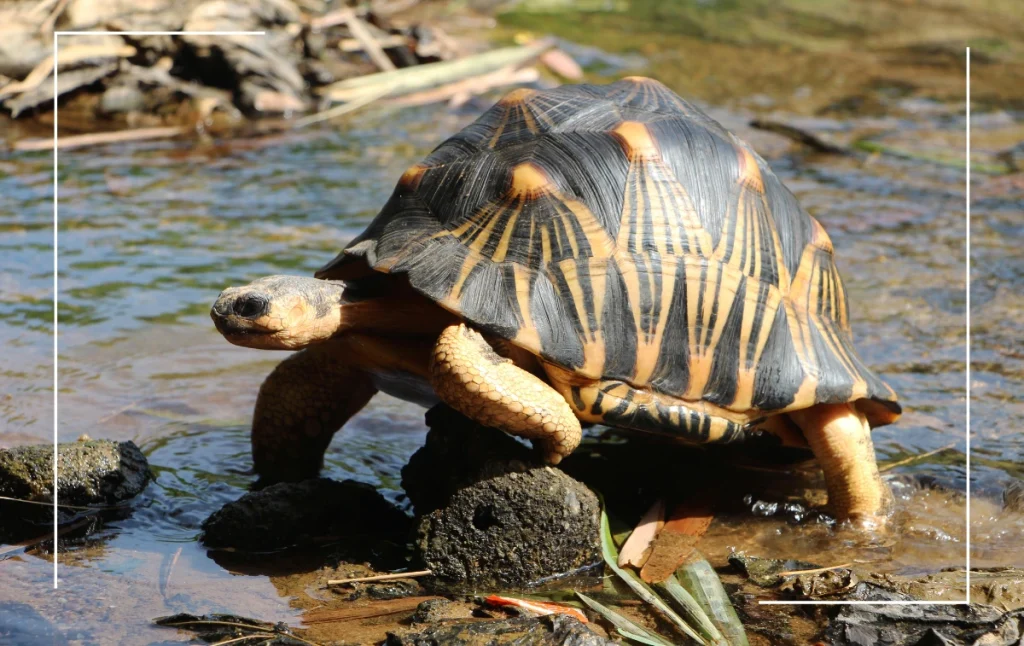
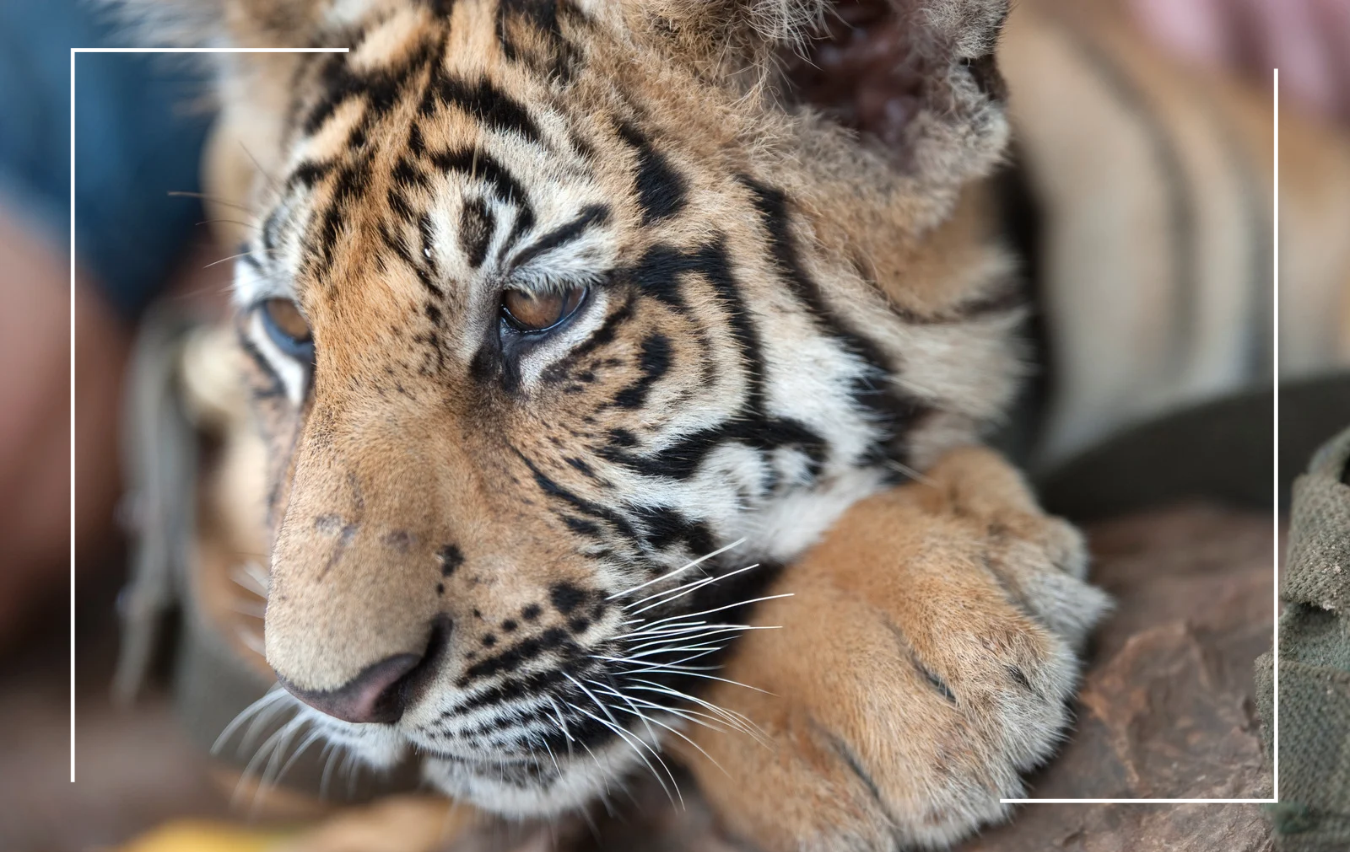
Scroll through social media and you find the images everywhere: influencers cuddling tiger cubs, baby monkeys dressed in clothes, colourful talking birds perched on shoulders, and reptiles being presented as exotic pets.
These images seem so cute. But behind many of them is a reality that is far less appealing: an animal removed from the wild, a criminal network profiting, and an ecosystem being destroyed.
This is the cost of cute, and it is too high.
The illegal pet trade is one of the fastest-growing forms of wildlife crime. It is a multi-billion-dollar global industry in which millions of animals are captured from the wild and sold into captivity every year. Birds, reptiles, primates, big cats, and even ants are among the species targeted by organised criminal networks responding to the global demand for rare and exotic animals.
The scale of the problem is difficult to comprehend. There are now more tigers kept as pets in the United States than there are tigers living in the wild.
The illegal pet trade is also not simply an animal welfare issue. Removing wildlife from ecosystems damages biodiversity, can facilitate the spread of zoonotic disease, and can put people who keep wild animals at risk of serious injury or death. Most importantly, it creates a lucrative market for criminal networks.
Wild animals belong in the wild, not in our homes.
Young animals are particularly sought after because they are easier to handle and, to some buyers, more appealing. But capturing a baby often means killing the mother to take her infant. The baby may then be transported across borders and sold into a life of confinement.
Four young orangutans were rescued in Thailand in 2025, through the work of the Wildlife Justice Commission in close partnership with Thai law enforcement. This illustrates both the brutality of this trade and what is possible when authorities have the information and international cooperation needed to intervene. Each orangutan weighed only five kilograms when rescued. They have since been repatriated to Indonesia, where they are being rehabilitated and returned to the wild. They were lucky. Many animals do not survive captivity.
The criminals see these animals as nothing more than profitable commodities.
At Wildlife Justice, our investigators work to identify the people behind the trade, map their networks, and gather evidence that can support law enforcement action. Since our founding, we have helped rescue over 13,000 animals from the illegal pet trade. But the objective is not simply to rescue animals from captivity. It is to disrupt the networks that put them there in the first place.
This is what effective enforcement looks like: not simply a seizure, but disruption, accountability, and lasting consequences for those profiting from wildlife crime.
But law enforcement cannot solve this problem alone. Because the illegal pet trade is not just being driven by criminals. It is also being driven by what people see, share, and desire online.
Social media has created unprecedented opportunities for traffickers and sellers to reach potential buyers. At the same time, it can normalise the idea that wild animals belong in our homes. A photograph of a tiger cub being cuddled can make captivity look harmless. An AI-generated image can make an impossible relationship between a wild animal and a human appear real. A petfluencer can turn an endangered species into a lifestyle accessory.
What appears on our screens matters because it can influence what people believe is normal, and what they are willing to buy.
Everyone has a role to play.
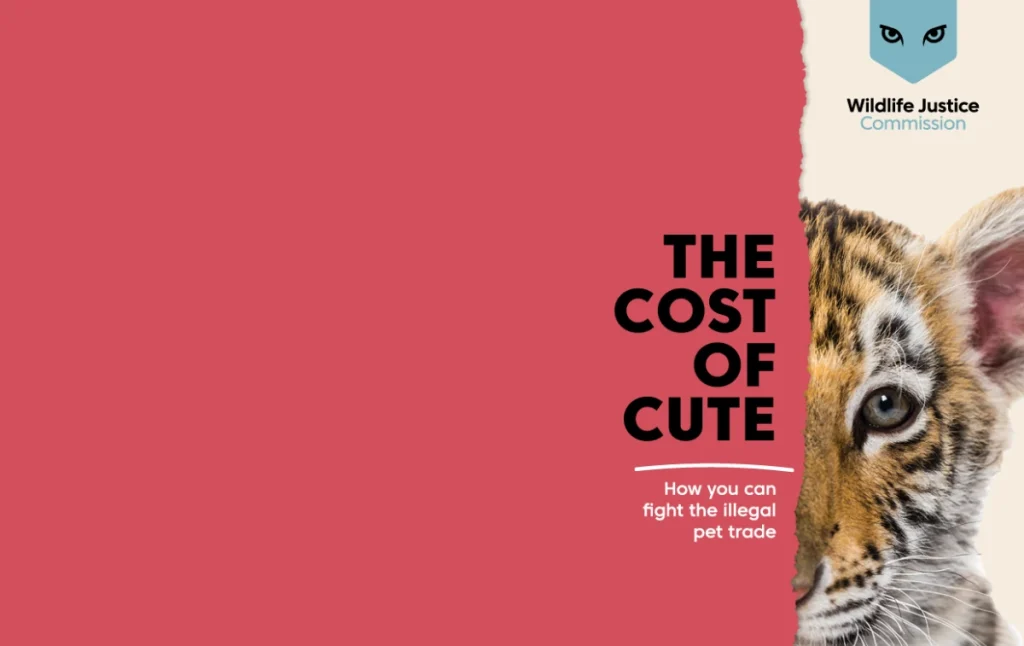
That is why we created The Cost of Cute: How you can fight the illegal pet trade. The brief, practical guide is designed to help people recognise the signs of wildlife trafficking and understand the simple actions they can take, including reporting it to authorities.
The first step is recognising that the cute animal on our screen may not be a cute story. It may be the product of a criminal organised network. It may represent a mother killed and a baby seized. An animal transported in horrific conditions. A species removed from an ecosystem already under pressure. And somewhere along the chain, a criminal network making money from it. Demand gives criminal networks a reason to operate. The choices we make every day matter.
We can refuse to buy or sell illegal wildlife. We can question suspicious advertisements offering “rare” or “exotic” animals. We can stop amplifying content that turns wild animals into entertainment. And we can report wildlife trafficking when we see it. Click here to get the guide, learn what you can do, and join the fight.