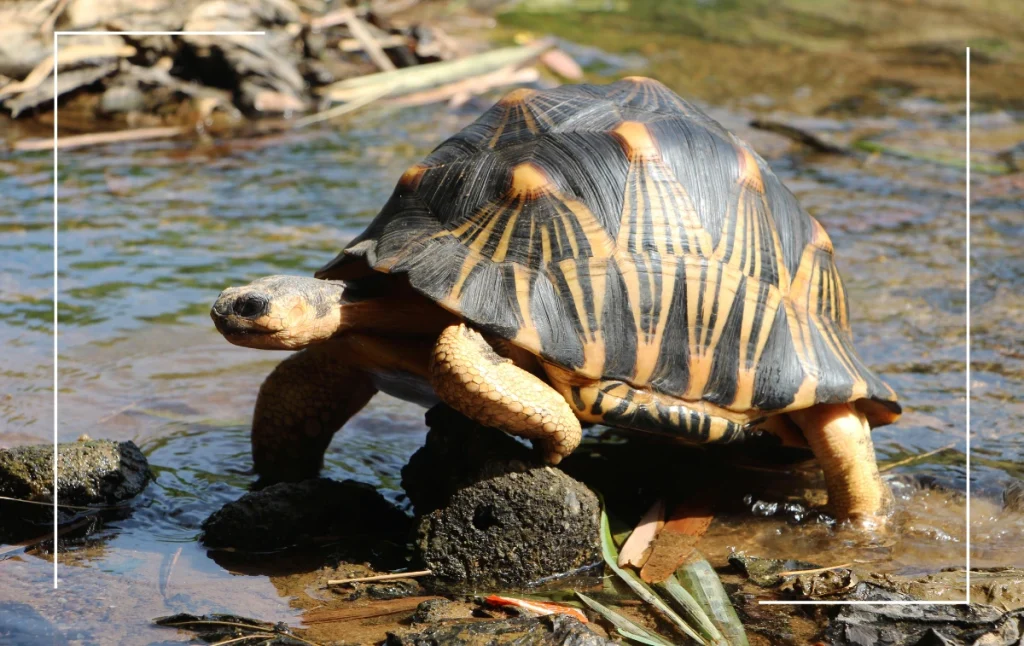

On a warm November day in 2024, a cargo plane touched down in Madagascar, carrying an extraordinary group of passengers: 759 radiated tortoises, 155 spider tortoises, 31 brown lemurs, and 16 ring-tailed lemurs. These critically endangered species, all stolen from their native habitat, were finally coming home. Their return home marked a triumphant moment in the fight against wildlife trafficking— underscoring the power of collaboration in protecting endangered wildlife.
These animals, all protected under CITES Appendix I, represent some of the world’s most threatened species, their trade strictly prohibited except under exceptional circumstances.
This event, celebrated at a Ceremony on the Repatriation of Malagasy Animals in Bangkok, Thailand, was more than a logistical achievement. It was a powerful symbol of hope, cooperation, and what can be accomplished when we unite to combat the illegal pet trade.

The road to rescue
The journey to this moment began six months earlier, in May 2024. Thai law enforcement, acting on intelligence provided by the Wildlife Justice Commission, intercepted a four-vehicle convoy. Inside, authorities uncovered hundreds of radiated tortoises and dozens of lemurs, tightly packed and destined for a grim future in the illegal pet trade.
Further investigation led authorities to a nearby farm, uncovering more wildlife, including 179 tortoises, 30 primates, and juvenile crocodiles.
In total, the operation rescued 1,234 tortoises, 48 lemurs, 30 primates, and other endangered species—valued at over USD 2 million on the black market. This seizure revealed the staggering scale of the illegal pet trade, where animals like tortoises and lemurs are targeted for their rarity and sold to collectors worldwide.


A global crisis
Time is running out, radiated tortoises have suffered an 80% population decline due to habitat destruction and poaching, while over 98% of lemur species face extinction within the next two decades.
The illegal pet trade is not just Madagascar’s fight—it’s a global one. From the rainforests of Southeast Asia to the savannas of Africa, biodiversity hotspots are being exploited to meet demand in markets across the Middle East, China, Europe, and the United States.
The consequences extend far beyond the animals themselves. Trafficking risks spreading zoonotic diseases, destabilising ecosystems, and introducing invasive species. Yet, operations like the one in Thailand prove that progress is possible through international cooperation.


A network unraveled
The success of this operation highlighted the power of international collaboration. Thai authorities, including the Department of Special Investigation (DSI) and the Natural Resources and Environmental Crime Suppression Division (NED) of the Royal Thai Police, worked alongside global partners like the United Nations Office on Drugs and Crime (UNODC) and the U.S. Fish and Wildlife Service (USFWS).
At the centre of this effort was the Wildlife Justice Commission (WJC), whose intelligence and expertise helped bring down a major trafficking network. This case was particularly significant for Thailand, marking the first time the country allowed the repatriation of wildlife before legal proceedings were concluded— a testament to updated legal frameworks in Thailand.
A message to traffickers
The seizure of over 1,300 animals with many successfully repatriated, delivered a powerful message: trafficking endangered species is a serious crime with real consequences. The financial blow dealt to this trafficking network is expected to hinder their operations significantly, disrupting the global supply chain for the illegal pet trade.
Since 2016, the WJC has been at the forefront of the fight against the illegal pet trade, rescuing over 12,000 live animals and contributing to 82 arrests specifically related to this illicit activity worldwide. The Wildlife Justice Commission’s intelligence-led approach provides critical support to law enforcement across jurisdictions. Our mission— to disrupt and dismantle the transnational criminal networks trafficking wildlife, timber, and fish —continues, one operation at a time.
The repatriation of these Malagasy animals is more than a logistical feat; it’s a beacon of hope in a world where wildlife too often falls victim to human greed. Together, through vigilance and cooperation, we can ensure that stories like this become the rule, not the exception.


For more on this operation and the global fight against wildlife trafficking, listen to WJC Executive Director Olivia Swaak-Goldman’s interview on BBC Radio.