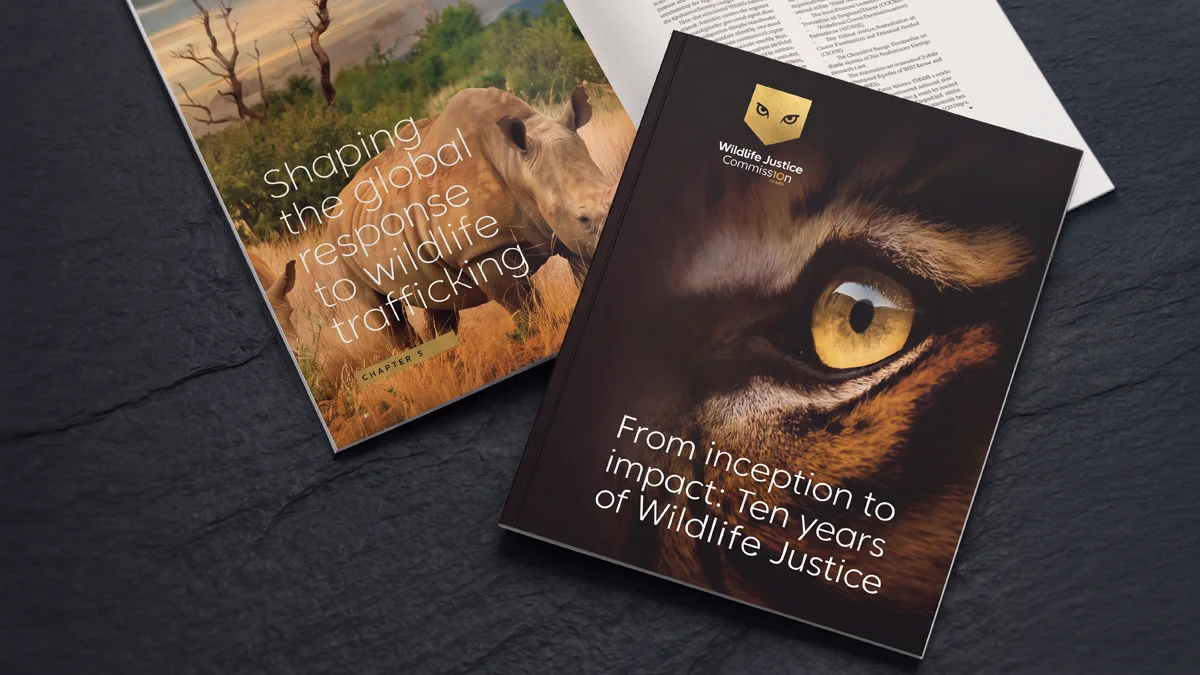
Today, Wildlife Justice is publishing From inception to impact: 10 years of Wildlife Justice, reporting on a decade of investigations, law enforcement partnerships, and policy engagement to disrupt the organised criminal networks driving wildlife trafficking.
Founded in The Hague in 2015, the Wildlife Justice Commission was created in response to the growing recognition that conventional approaches to wildlife crime were ineffective. At the time, enforcement efforts focused largely on seizures and low-level poachers, while the organisers, financiers, and kingpins behind transnational trafficking networks continued to operate with relative impunity.
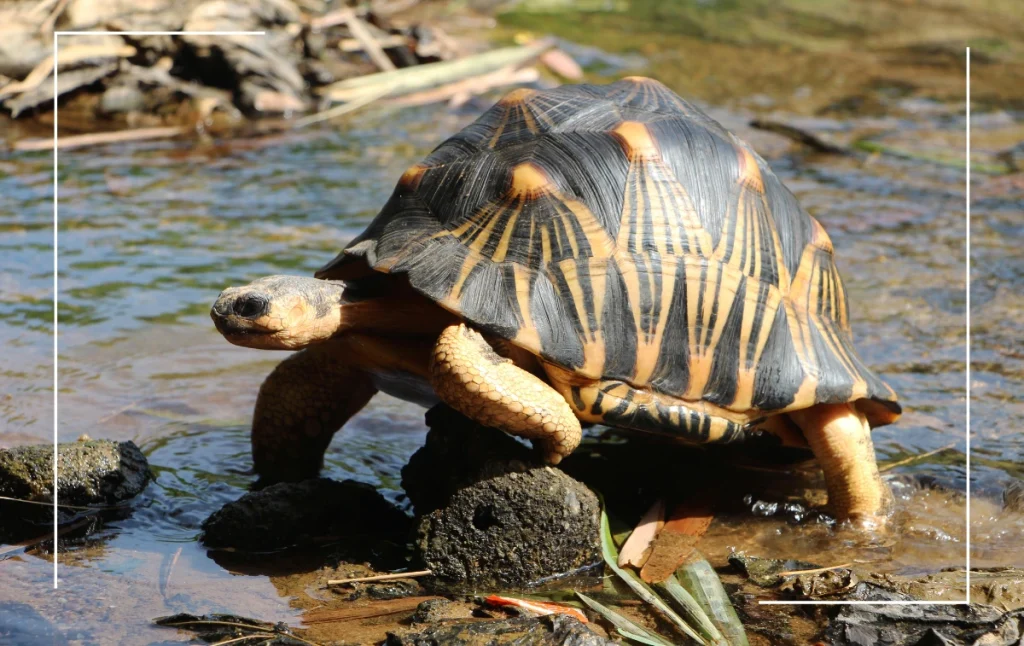
Wildlife Justice adopted a different approach, focusing on the criminal networks behind the illegal trade and using intelligence-led investigations to support law enforcement authorities in building cases against those driving wildlife crime. As the new report documents, this approach has been applied across continents, species, and trafficking systems, exposing the transnational criminal networks trafficking ivory, rhino horn, pangolin scales, live animals, and marine species.
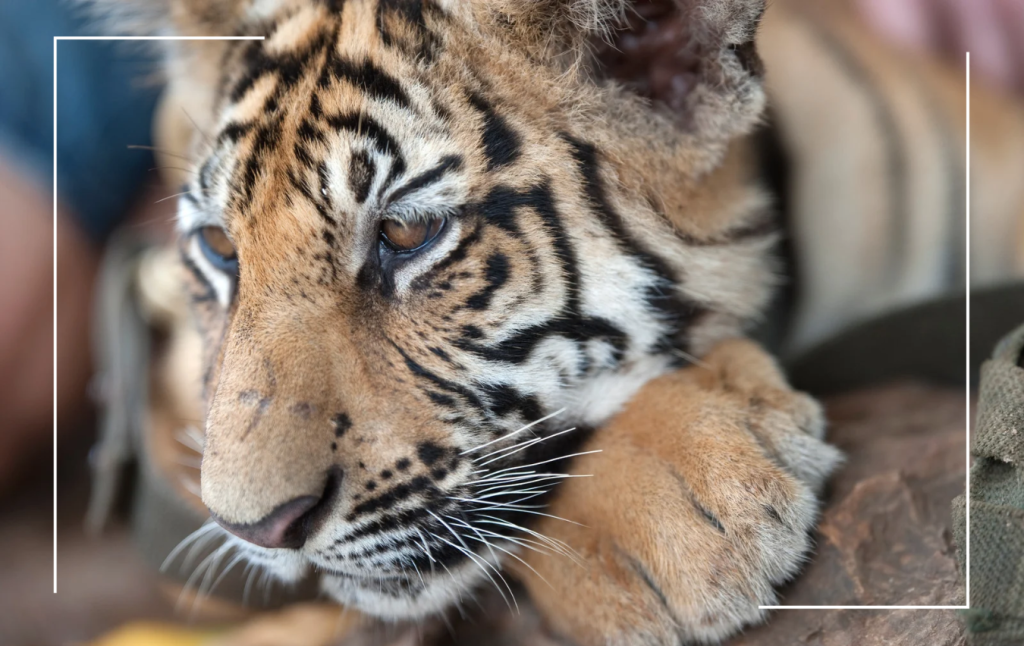
The Wildlife Justice model has delivered groundbreaking results and transformed the way wildlife crime is addressed. Since its inception, the organisation has contributed to 405 arrests, the disruption of 125 criminal networks, and the rescue of 13,489 live animals from the illegal pet trade.
“Ten years ago, we had a powerful new idea, but we did not know whether it would work. Today, we know that it does,” said Olivia Swaak-Goldman, Executive Director of the Wildlife Justice Commission.
“Wildlife trafficking used to be a low-risk, high-reward crime. But thanks to our brave staff, partners, and generous donors, wildlife trafficking has become less profitable. In many places where we work, trafficking is declining and criminals are leaving the business. That is what our approach is designed to achieve.”
In addition to chronicling the organisation’s history and successes, the new report looks forward to Wildlife Justice’s next chapter.
As Wildlife Justice enters its second decade, the organisation is expanding into new regions and fighting new forms of criminality. Its work on marine species trafficking is growing, while it is preparing to apply its proven approach to the fight against illegal logging and timber trafficking.
As the new report makes clear, ten years after its founding, the Wildlife Justice Commission remains guided by the same mission with which it began: to save species by disrupting the organised criminal networks driving them to extinction.